🗓️
2022 - 2024
Amazon Pay - Metro Ticket Booking
Amazon Pay is Amazon’s digital payments platform — it lets users pay for products and services both on Amazon and on third-party websites or apps using the payment methods already linked to their Amazon account.

Making Daily Commute Convenient & Rewarding - Now Buy Metro digital QR ticket on Amazon PayProject Description
Introduction:
Daily metro commuters in India's top cities face a significant challenge: the time-consuming process of buying physical tokens. Long queues, the hassle of cash, and the risk of losing tickets create major friction in their journey. However, a huge opportunity is on the horizon, with QR ticketing expected to grow from 6% to 40% of all metro commutes by 2024.
Our project, Amazon Pay Metro QR Ticketing, is designed to capitalize on this shift. By integrating a seamless digital ticketing solution into the Amazon Pay platform, we aim to eliminate the daily inconvenience of queues and cash. This initiative is about more than just selling tickets; it's about becoming the commuter's "Travel Expert," making digital travel the preferred, most rewarding, and most convenient choice.
Context: Solving the Daily Commuter's Problem with Digital Ticketing
This project is a proposal to integrate Metro QR Ticketing into Amazon Pay, addressing the primary pain points of urban commuters who use traditional physical tokens. Currently, millions of daily travelers face long queues, hassle with cash, and the inconvenience of misplaced tickets.
There's a significant opportunity here, as metro operators are shifting away from tokens, and the adoption of QR tickets is projected to surge from 6% to 40% in the coming years. By leveraging Amazon Pay's platform, the final solution focuses on reducing time-to-ticket, improving confidence at the gate, and aligning tightly with Amazon Pay’s ecosystem patterns.
What is the prevailing customer problem
/opportunity?
The core problem wasn’t just booking a ticket — it was booking a ticket reliably under pressure.
So the real problem became:
How do we help users get from intent to a valid ticket in the shortest, safest path possible?
Our customers are the daily commuters from urban cities who travel in metros. Secondary research reveals that there are around 8.2 MM metro commuters. Of these 82% (6.8 MM) come from top 5 cities. Currently, 6% of these customers use QR ticket for their metro commute, this number is expected to grow to ~40% by 2024. The growth can be attributed to tokens getting replaced by QR ticket in the ecosystem.
Only 6% customers use QR tickets - expected to grow to ~40% by 2024
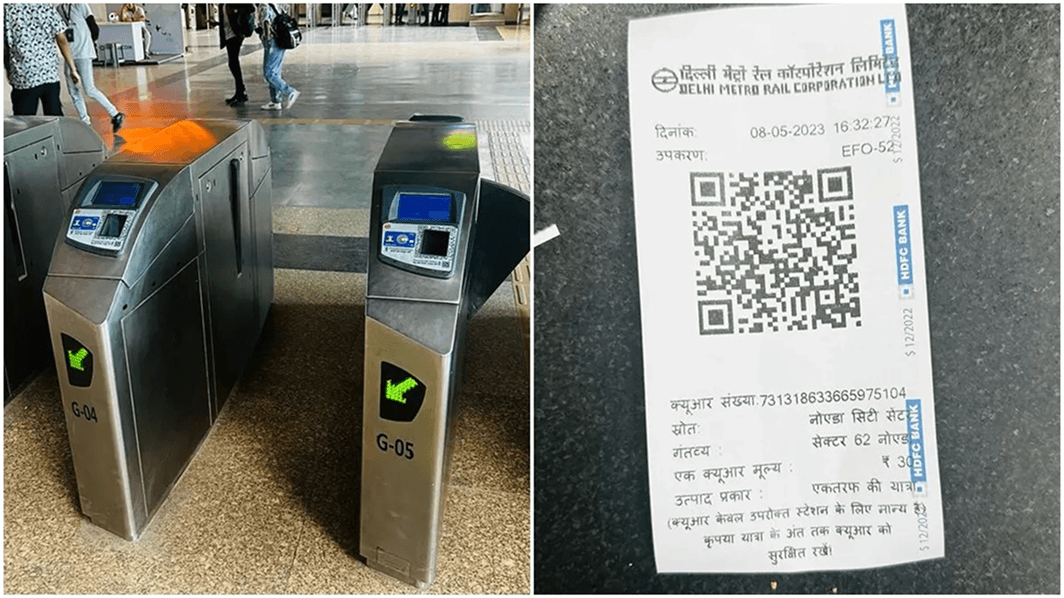
Today, for DMRC 60% commute happens through smart card recharges, 40% of the metro commuters still use tokens. For Mumbai and Bangalore – around ~50% commuters are currently using tokens & QR ticketing.
40% customers using smart cards
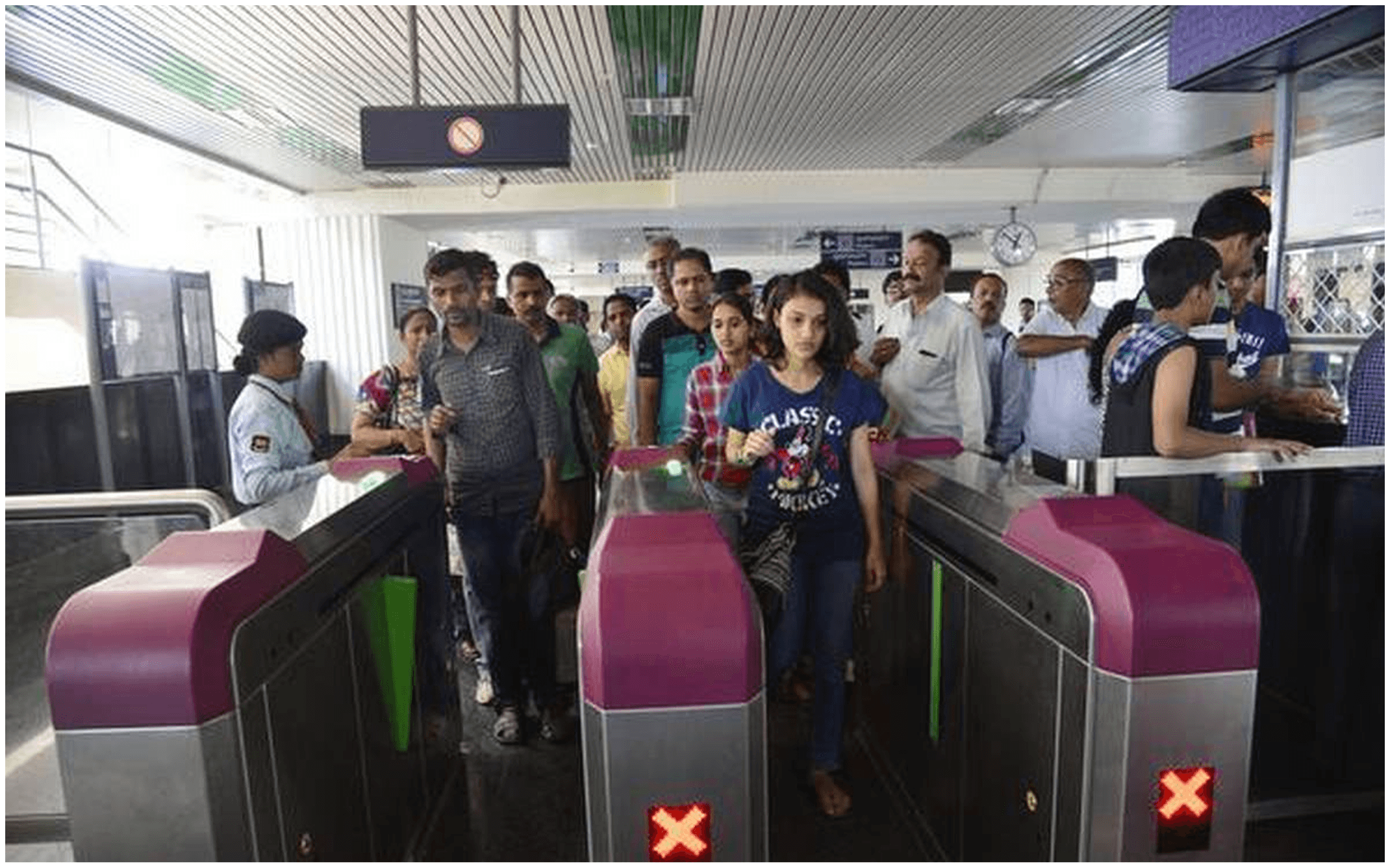
60% customers using physical tokens & QR tickets
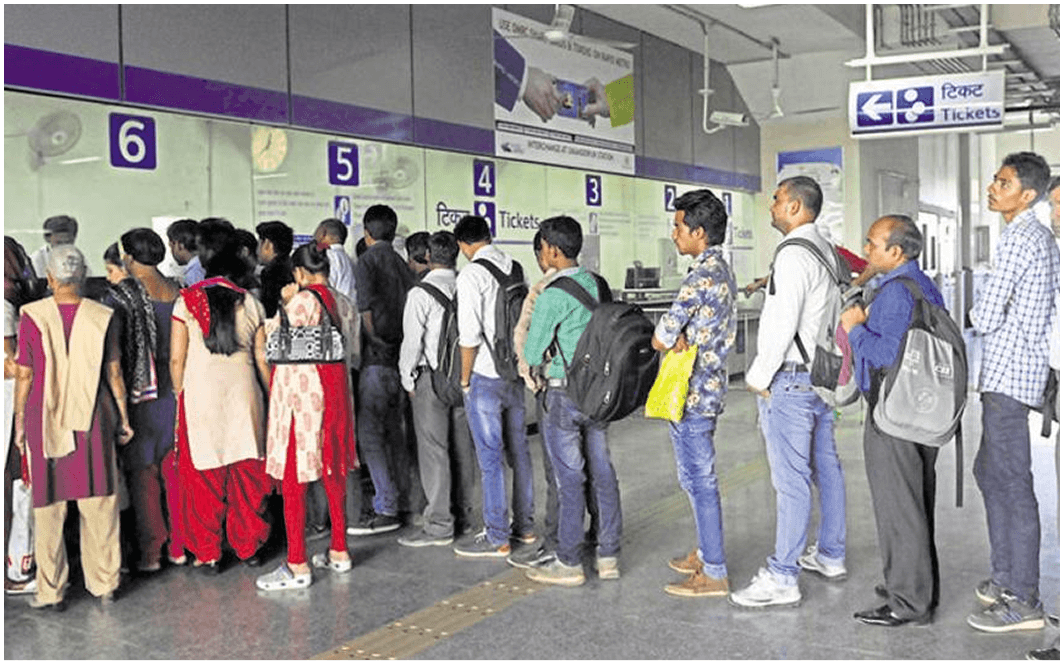
Customers' pain points while buying/using physical tokens
A customer survey was floated to understand the customer pain points better. The survey received 119 responses. According to the survey, major problems faced by the daily commuters are as follows:
1.Long queues for ticket purchase (40%): Customers biggest inconvenience while using public transport is long queues for token purchases. Currently, average journey time for the customer is 40 min of which the customer needs to stand 15 min on the ticket line to purchase a token. This comprise of 35% of the total commute time especially at the peak office time.
2. Trouble finding exact change (21%): Finding exact change and using hard cash is inconvenient for the customer
3. Lost or misplaced tickets (11%): Physical tickets or smart cards can be easily lost or misplaced, causing frustration for customers who then have to repurchase tickets or seek assistance.
4. Lack of reward propositions (48%): Customers showed interest in special proposition like free ticket on purchase of more than 15 tickets and companion discount (special discount for customers who book QR tickets for two or more passengers simultaneously through your mobile app).
Strategic Impact
For Customers: Saves time, adds convenience, and introduces rewards.
For Metro Operators: Reduces cash dependency and queue congestion.
For Amazon Pay: Expands mobility use cases, strengthens customer engagement, and positions Amazon Pay as a daily utility partner in urban life.
External Links
Why do Metro commuters prefer physical tokens over digital ticketing or smart card methods?
Bengaluru Metro - https://www.timesnownews.com/bengaluru/why-bengaluru-metro-commuters-prefer-physical-tokens-over-digital-ticketing-methods-article-106261211
Chennai Metro - https://www.thehindu.com/news/cities/chennai/commuters-still-prefer-tokens-to-chennai-metro-rails-smart-cards/article30617433.ece
Let’s solve - User personas
Scenarios:
Today I’m travelling on the Delhi metro and need to buy metro tickets online for my family (4 members).
While travelling, what information do you feel is important for your commute?
Support:
Station routes
Time taken to commute
Metro fair
What are the things you need while buying tickets that will help you with your commute/ make it easier?
Support:
Single & Return journey tickets
Buying multiple tickets
Cancellation of tickets
What is your usual pattern or what help you need after exiting the metro at the final destination?
Support:
Look for an exit
Overtime travel issue
Unable to exit?
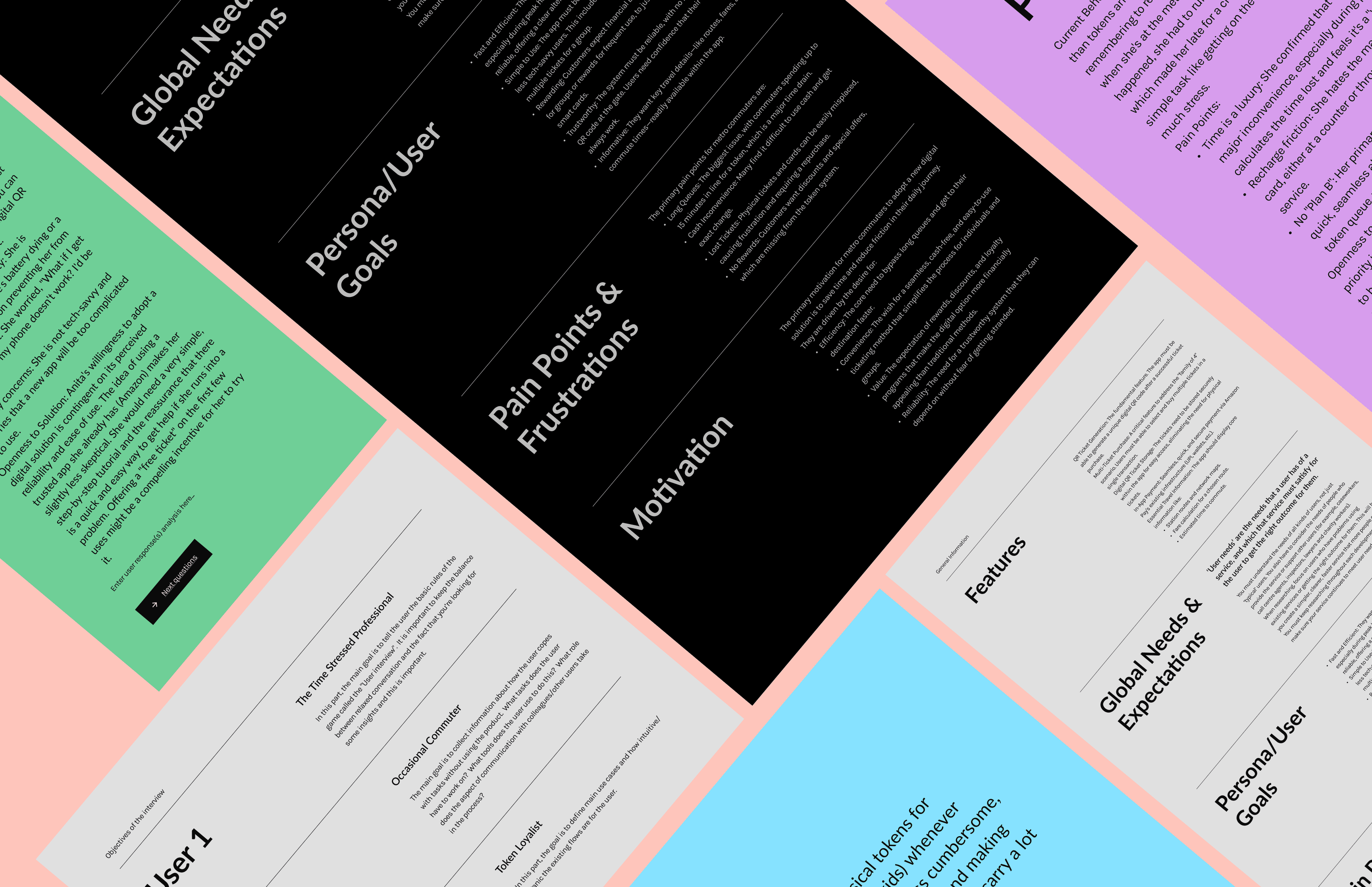
User Interviews
Conducted in-depth interviews and surveys to understand user pain points, preferences, and common questions related to payment transactions and refunds
Competitor Analysis
Analyzed the transaction pages of leading e-commerce platforms to identify industry best practices and potential areas for improvement.
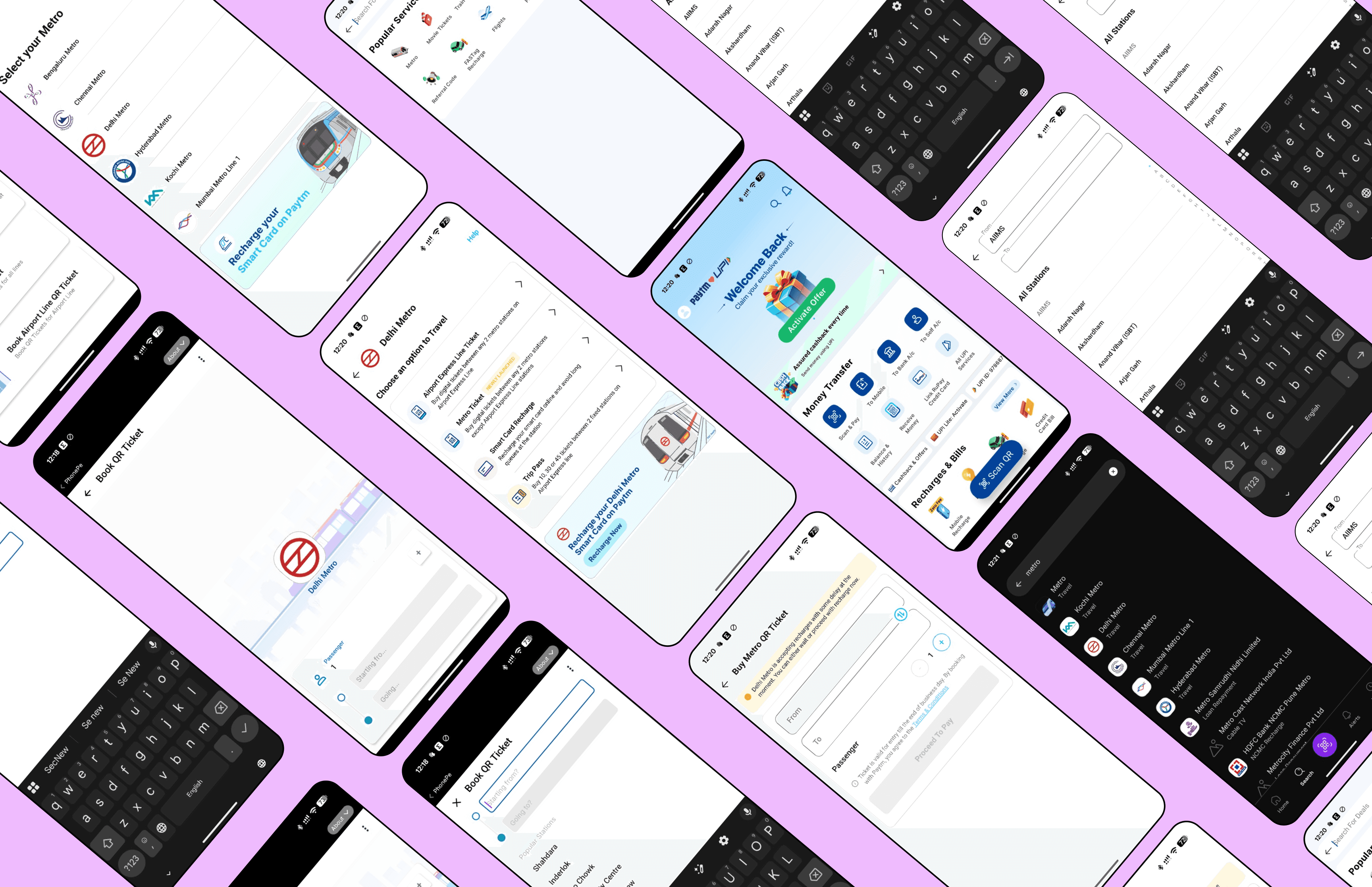
Solution
Metro operators have introduced QR ticketing option for customers which allows them to purchase a QR ticket and they can scan this at the Metro gates.
This is a digital ticketing solution that utilizes QR codes for quick and convenient metro commute, replacing the need for tokens. Users can simply scan the QR code on metro gate to validate their ticket and gain access.
There are two types of QR ticket:
Paper QR ticket: It is a physical ticket that contains a QR code, which can be scanned for entry and exit at metro stations.
Digital QR ticket: It is a virtual ticket that is stored and accessed electronically on a mobile device.
We propose introducing QR ticketing on Amazon Pay, allowing customers to purchase digital QR tickets on the go through the Amazon app. Today, for DMRC, 60% of commutes happen through smart card recharges, and 40% of metro commuters still use tokens. For Mumbai and Bangalore, around ~50% commuters are currently using QR based ticketing.
Design Process
Information Architecture
Since we already have the structure ((Buy → Pay → Show QR)), we're now focusing on the prioritisation of the components so that the customer flow is high
Placed critical information upfront, including recent transactions and refund status.
Worked on micro-level tweaks in order to gain more traction
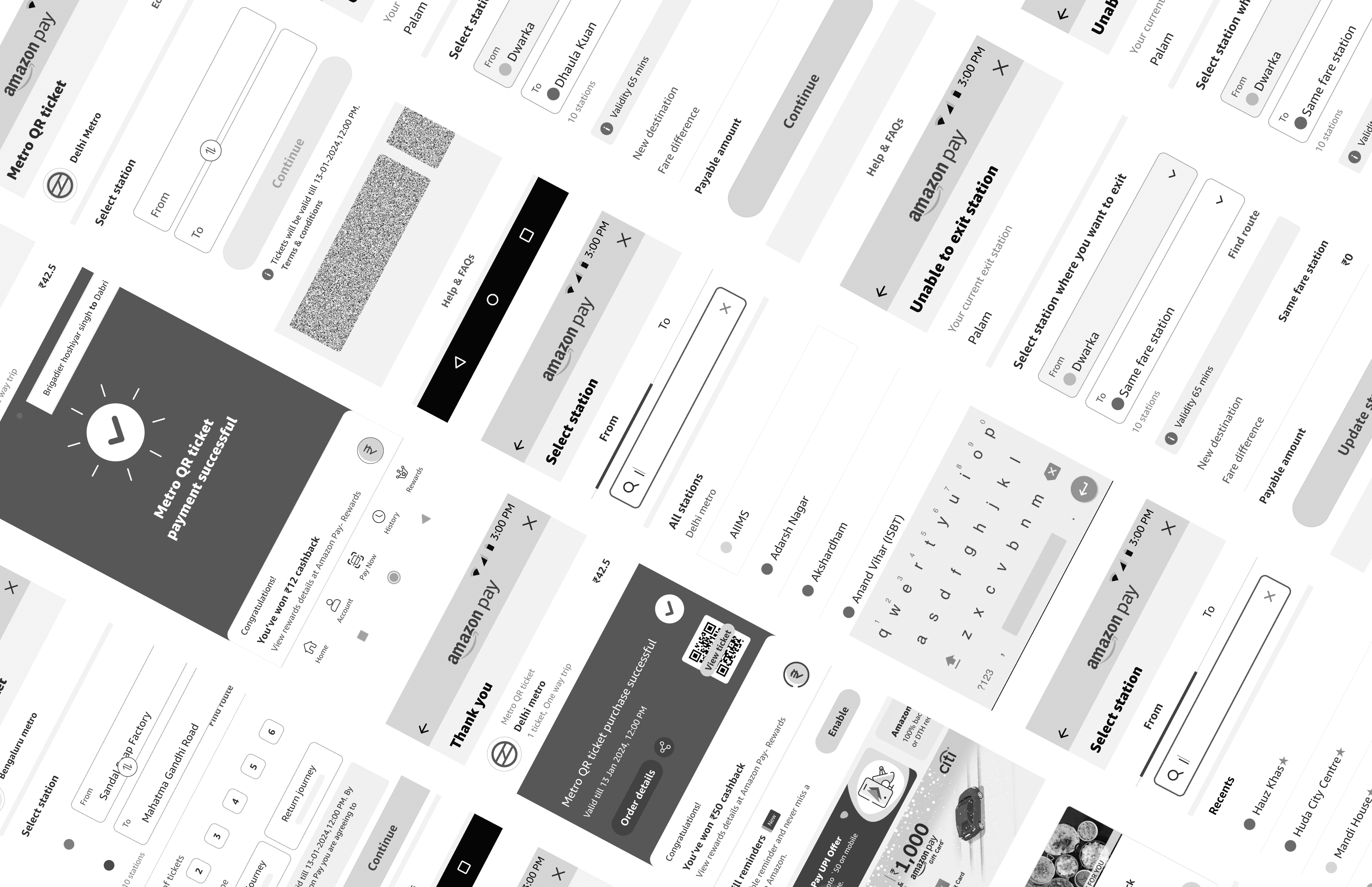
Wireframing & Prototyping
Blueprint Creation: Translated requirements into high-fidelity wireframes that established a clear, efficient design.
Interactive Prototypes: Delivered interactive prototypes to test and optimise for a seamless, user-centric interaction flow.
Visual Design
Ensured consistent application of Amazon’s brand guidelines, integrating subtle enhancements for better legibility and user focus.
Adopted a modern, minimal aesthetic that builds user confidence and communicates simplicity and trust.
Some Critical Screens
ps: don't want to dump more screenshot in this
Impact
Detailed information on the impact of the Delhi Metro project, which was published in
https://www.aboutamazon.in/news/retail/book-delhi-metro-qr-ticket-amazon-pay
This partnership eliminates the need for a physical token that takes an average of 15 minutes to generate and can often be misplaced during a commute.
More than 7 million commuters use the Delhi Metro every day. Currently, around 40% of DMRC commuters use tokens for their travel, while the remaining 60% use smart cards.
This product was launched on 12 July 2024. Since I was not a part of the team at the launch therefore I couldn't track the outcomes
That's all folks!!!